Data & Analytics
Salesforce Launches Zero Copy Partner Network to Improve Tech Integrations
Voice of the Customer
Medallia Confirms CEO Joe Tyrrell Has Stepped Down
CRM
HubSpot Declares “Customer Experience Is Broken”, Unveils the “All-New” Service Hub to Fix It
Speech Analytics
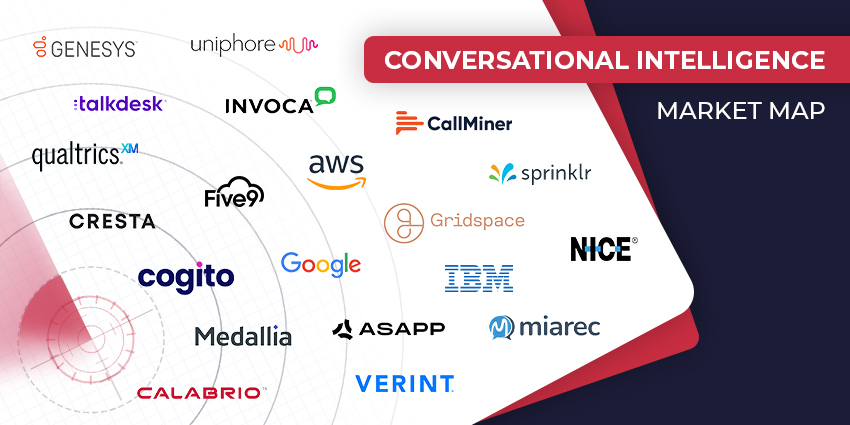
The Top Conversational Intelligence Vendors for 2024
WFO
Salesforce: Contact Center Agents Spend Just 39% of Their Time Servicing Customers
Oracle Brings More AI Capabilities to Service & Sales Teams
Contact Centre
3 Modern Contact Center QA Challenges (and How to Overcome Them With AI)
The Net Promoter Score 2.0? evaluagent Releases an Expected NPS Score
CX TV
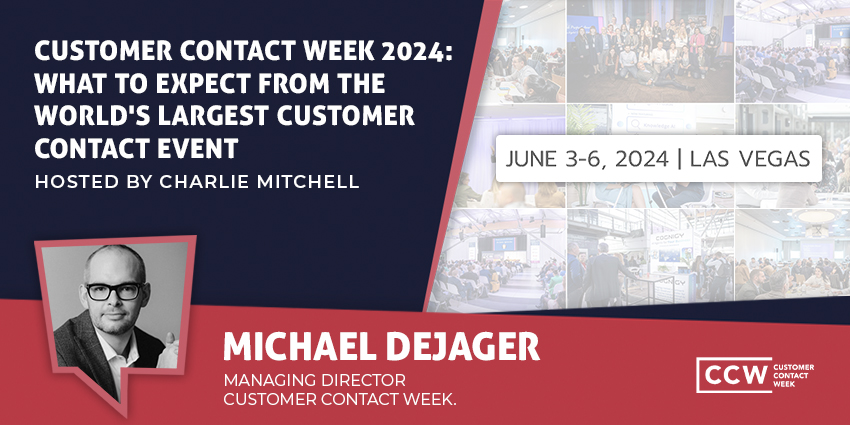
Customer Contact Week 2024: What to Expect from the World’s Largest Customer Contact Event
The Google-HubSpot Acquisition Rumors: Could It Really Happen?
Klarna’s Bot Does the Work of 700 Full-Time Contact Center Agents. Could Yours?
BIG CX News – Enterprise Connect 2024: The Roundup ft. Five9, Cisco, Salesforce & More
Content Guru Confirms $150MN CCaaS Megadeal, the Biggest of 2023